 biz59
biz59
Tools for developers, data people and small teams.
Biz59 LLC is a small company in New York. We build and run eleven products, most of them with one sign-in, and we write about what we see in software, AI and startups.
A database client, plus free data tools in the browser.

iPaid, i Owe: track what you owe and what is owed to you.

Security tools for small sites and teams, with one sign-in.
Short links, QR codes and page-view tracking.
An email router for apps, developers and bots.

Privacy policies, terms and consent records for apps and sites.

Website, policies, support pages, sign-in and cloud sync for your mobile app.

Offline-first cloud sync for your app's data, with sign-in for your users built in.

Our build agent: describe your app in a chat and watch it get built. Coming soon.

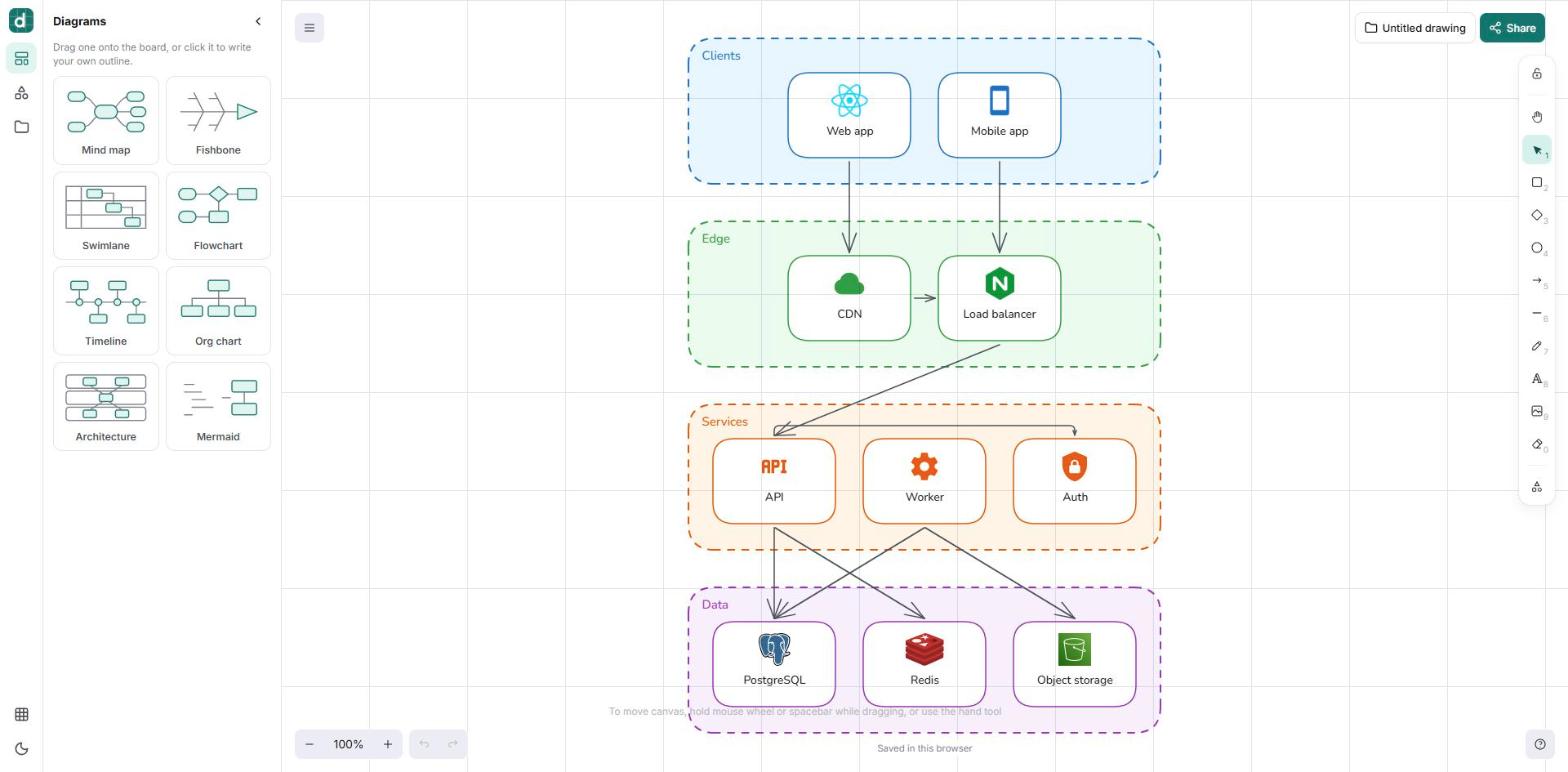
A whiteboard that also draws the diagram from your outline.

Markdown notes and documents that look good on screen and on paper.
More articles

Section 174 is fixed: the R&D tax credit and expensing for a small US software company in 2026
What the July 2025 law changed for software development costs (deductible again from 2025, the 2022-2024 balance written off over one or two years), who qualifies for the research credit, how a startup takes up to $500,000 a year of it against payroll taxes, a six-person company worked through ($699,000 of research costs, a $73,360 credit used over five quarters), the records courts ask for, what specialists charge and nine questions for your accountant.

A cloned voice asks for a wire: the payment checks a small business adds against deepfake fraud
Real cases from the EUR 220,000 voice clone of 2019 to Arup's $25.6m video call, the 2025 loss figures (FBI: $3.05bn to business email compromise; UK CEO fraud averaging GBP 28,000 a case), and five checks that cost a 12-person company about $300 a year: call back on a known number, two approvers, a code word, the bank's name check and a one-day hold on changed details. Plus the first hour after a payment goes wrong.

Sales tax on software subscriptions: which US states tax SaaS and when a small vendor has to register
About 21 states and DC tax SaaS in October 2026, and California and Colorado join on 1 January 2027. The state-by-state table, the economic nexus thresholds after Wayfair, a $49-a-month business with 2,000 customers worked through (it owes Ohio and Maryland, not Texas or New York), what Paddle, Stripe Tax and Stripe Managed Payments cost at $1.18m a year, and the first three registrations a small vendor usually needs.